
News
WPC Flooring: The New Benchmark for Eco-Friendly Materials in Outdoor and Moisture-Prone Spaces
Jun 10, 2026
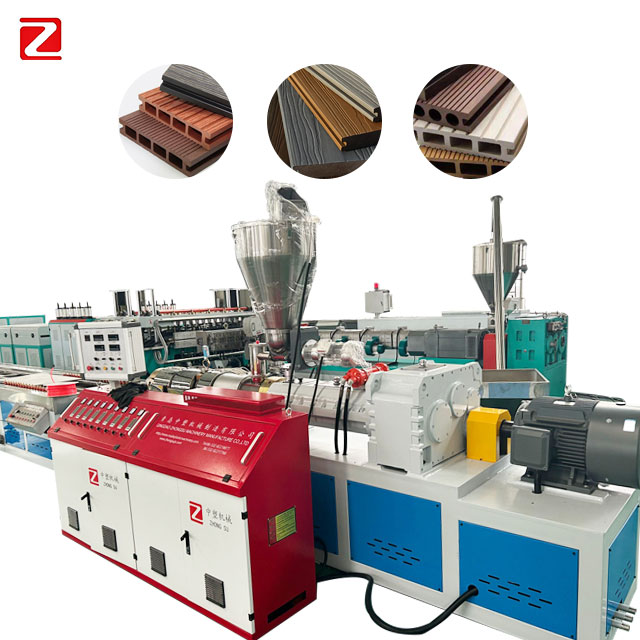
In the modern construction industry, where sustainability and cost-effectiveness are increasingly prioritized, Wood-Plastic Composite (WPC) flooring has emerged as a transformative alternative to traditional solid wood flooring. By blending the natural warmth of wood with the durability of plastic, WPC flooring overcomes the limitations of both materials, making it an ideal choice for outdoor landscapes, commercial spaces, and humid indoor areas.
At its core, WPC flooring is a composite material made from wood fibers (such as wood flour or bamboo powder, often sourced from agricultural waste) and thermoplastics (like PE, PP, or PVC, including recycled plastics). These components are fused together through high-temperature extrusion processes, enhanced with additives like UV stabilizers and anti-fungal agents to boost performance.
Unlike solid wood, which is prone to warping, rotting, and insect infestation in wet or outdoor environments, WPC flooring boasts near-zero water absorption, exceptional resistance to fading and cracking under sunlight, and minimal maintenance requirements—eliminating the need for annual painting or sealing, and only requiring simple wiping for cleaning. Compared to tiles or stone, it offers a warmer, more comfortable underfoot feel while maintaining excellent slip resistance.
The production process of WPC flooring is both precise and environmentally conscious: raw materials are first cleaned and dried, then mixed in precise proportions, melted and extruded into shape using specialized twin-screw extruders, and finally finished with embossing or brushing to mimic natural wood textures before being cut to standard lengths. This process not only reduces reliance on virgin timber but also repurposes plastic waste, aligning with circular economy principles.
Its versatility makes it suitable for a wide range of applications, from backyard patios, pool decks, and park walkways to restaurant terraces, hotel balconies, and even indoor kitchens and bathrooms, where moisture resistance is critical.
As global environmental regulations tighten and demand for green building materials rises, the WPC flooring industry continues to evolve with innovations like co-extrusion technology, which enhances surface durability, and the use of bio-based fillers like coffee husks to further reduce environmental impact.
With a lifespan of 10 to 50 years—far longer than traditional wood flooring—and a growing market driven by policies supporting green construction, WPC flooring represents not just a material upgrade, but a shift toward more sustainable, low-maintenance, and long-lasting building solutions that meet the needs of both residential and commercial users worldwide.
WhatsApp:+8619532474057
Email:lyuhan2003@gmail.com
Navigation
- PP Corrugated Sheet Machine Delivers Versatile, Recyclable Twin-Wall Plastic Boards for Global Industries
- PP Hollow Corrugated Sheet Machine
- PP Hollow Corrugated Sheet Extrusion Line | Reliable PP Honeycomb Board & Hollow Grid Panel Making Machine
- Advanced High-Efficiency WPC Profile Production Line Launched to Empower Green Building Material Manufacturing
- PVC Profile Extrusion Equipment Leads Industry Upgrade with Energy Efficiency and Intelligent Innovation
- Technological Upgrades of Hollow Building Formwork Equipment Drive Green and Efficient Transformation of Global Construction Industry
Send Us A Message
Send Your Inquiry
We welcome your cooperation and we will develop with you.