
News
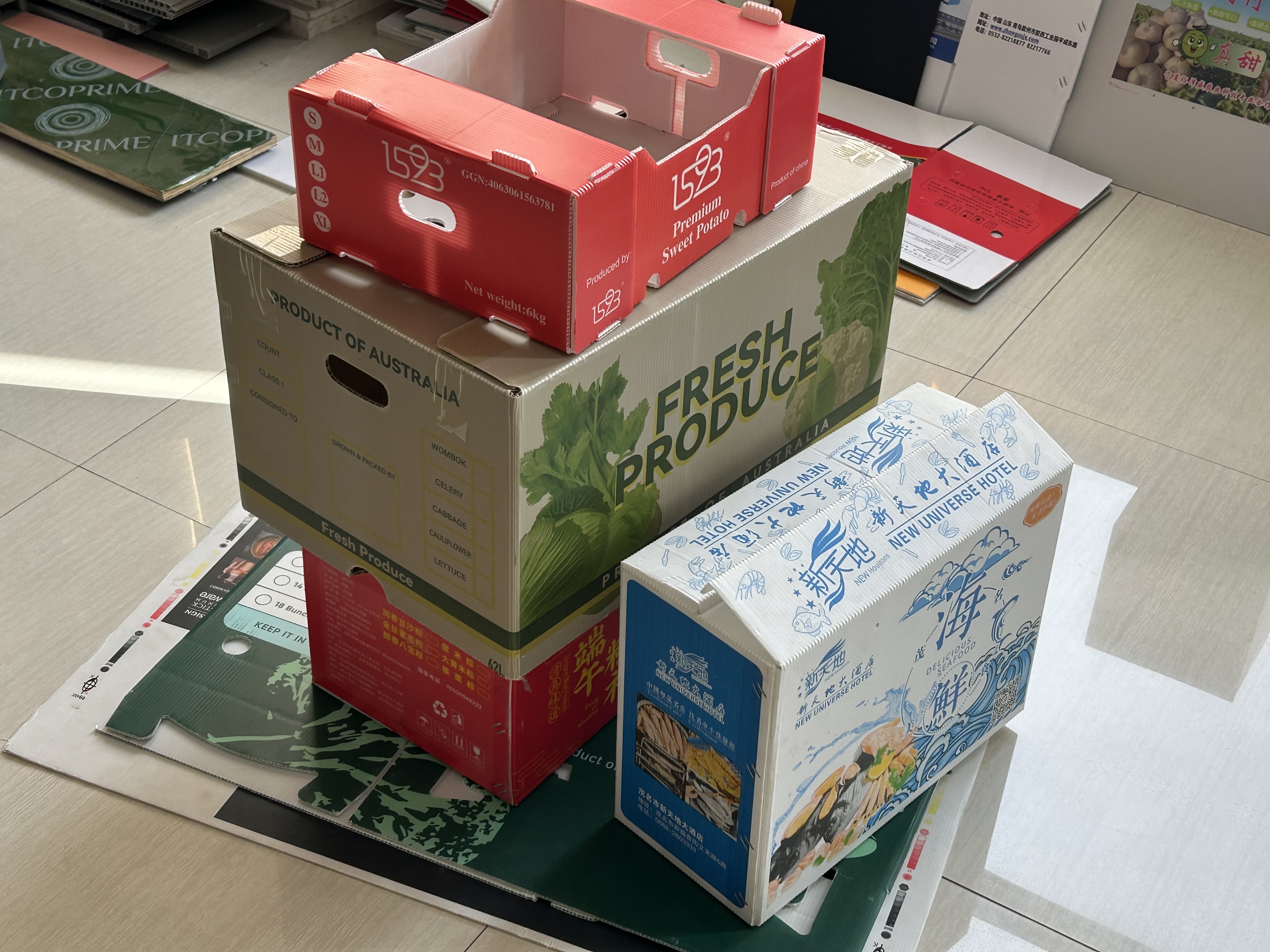
PP hollow sheet, also known as corrugated plastic sheet, twin-wall polypropylene board, is a lightweight, recyclable thermoplastic panel with an internal ribbed hollow structure. It is widely accepted as a durable substitute for cardboard, plywood and foam panels, thanks to its waterproof, impact-resistant, chemical-stable and easy-to-process features. This article walks through its raw material selection, complete extrusion production workflow, core equipment composition and diversified industrial applications.
Raw Material Preparation
The base raw material is polypropylene (PP) pellets, including virgin PP resin, recycled PP material, or a blended formula of both according to quality and cost requirements. Virgin PP delivers better impact strength and surface smoothness, while properly cleaned recycled PP helps reduce costs and realizes circular economy.
Different functional additives are proportionally mixed into the PP pellets via gravimetric dosing system to achieve customized performance: color masterbatch for different colors, UV stabilizer for outdoor weather resistance, antistatic agent for electronic packaging, flame retardant for construction safety, and anti-slip or toughening additives for heavy-duty turnover use. PP absorbs very little moisture, so drying is generally optional, but recycled flakes must be screened to remove impurities before feeding.
Production Process & Core Equipment
The whole production is based on continuous extrusion molding, controlled by a PLC automatic system. A complete PP hollow sheet extrusion line consists of feeding unit, extruder, screen changer, melt metering pump, special hollow die, vacuum calibration tank, cooling system, haul-off machine, edge trimming unit, corona treatment device and servo cutting / stacking station.
- Feeding & MixingPrepared PP pellets and additives are automatically conveyed to the mixer for uniform blending, then fed into the extruder hopper steadily.
- Melting and PlasticizingSingle-screw extruder (or twin-screw for co-extrusion structure) heats and kneads the material in segmented temperature zones (165–210°C). The screw rotation shears and melts solid PP pellets into homogeneous molten polymer with stable fluidity.
- Filtration, Metering & Die FormingMolten PP passes through a screen changer to filter out gels and impurities. The melt pump stabilizes melt pressure and flow rate, which is critical for consistent sheet thickness. Then the melt enters a customized hollow T-die, where the internal mandrel structure shapes the unique twin-wall and vertical rib structure in one extrusion passJWELL.
- Vacuum Calibration & CoolingRight after exiting the die, the hot soft sheet enters the vacuum calibration table. Under vacuum suction and circulating water cooling, the hollow profile is fixed and dimensionally stabilized. Multi-stage water cooling tanks further cool down the sheet to avoid warping and deformation, with cooling water temperature kept at 15–25°C.
- Haul-off, Edge Trimming & Surface TreatmentRubber-coated haul-off rollers pull the sheet forward at synchronized speed to keep flatness. Edge trimming removes flash. If printing is required, inline corona treatment increases surface tension for better ink adhesion.
- Cutting and StackingThe finished sheet is cut to customer-specified length by servo cutter, then stacked automatically or wound into rolls. Sheets of different thicknesses (2–12 mm), widths and colors can be produced by adjusting the die and process parameters.
Main Applications of Finished PP Hollow Sheets
Thanks to flexible customization, PP hollow sheets serve nearly all industries:
- Logistics & Reusable Packaging: Turnover boxes, dividers, pallets, liners and separating trays for repeated circulation. It replaces disposable cartons, saves long-term packaging cost, and is moisture-proof for sea freight.
- Electronics Industry: Anti-static hollow boards for PCB, chip and electronic component packaging, preventing electrostatic damage to sensitive parts.
- Advertising & Signage: Printed signs, display boards, election posters, exhibition backdrops; lightweight, waterproof and suitable for indoor and outdoor use.
- Construction: Temporary partition walls, concrete formwork, floor protection panels, flame-retardant protective sheets on construction sites.
- Agriculture & Cold Chain: Greenhouse panels, crop protection boards, fruit and vegetable turnover crates, cold-chain packaging.
- Automotive Industry: Protective liners, interior packaging and component separators for auto parts delivery.
- Other uses: Warehouse partitions, toy panels, stationery folders, handicraft substrates and dust-proof covers.
Conclusion
From PP pellets to finished hollow sheets, the extrusion line turns simple polypropylene into a high-value versatile material. The adjustable formula and fully automatic production support customized functions and sizes. As global industries pursue reusable and low-carbon packaging solutions, PP hollow sheet continues to expand its market share, offering a reliable, cost-effective and eco-friendly alternative to traditional packaging and structural panels.
Navigation
- PP Hollow Sheet: From Raw Materials & Extrusion Production to End Applications
- A new-generation intelligent PP hollow grid board extrusion production line
- PP Honeycomb Board Extrusion Line: Lightweight Structural Panel Solution
- PP Hollow Plastic Formwork Gains Traction in Green Construction Sector
- Customized PP Hollow Sheet Extrusion Line Successfully Tested for Indian Customer
- High-performance PP Hollow Corrugated Sheet Extrusion Line For Sustainable Packaging & Construction Industry
Send Us A Message
Send Your Inquiry
We welcome your cooperation and we will develop with you.